Bulk Enzyme Additives for Compost Extract Production
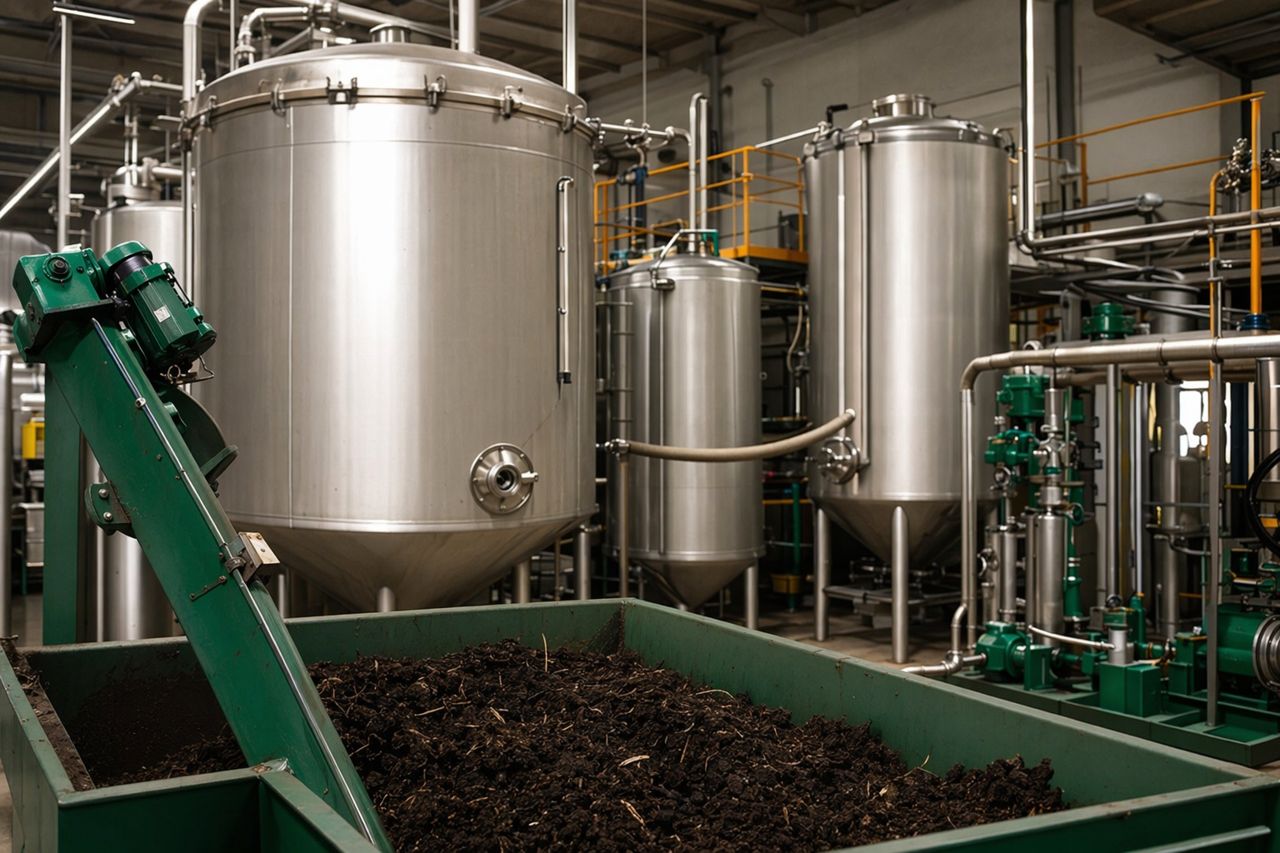
Compost extract production can look simple from the outside: hydrate, agitate, separate, stabilize, and move to blending. On the plant floor, the hard part is consistency. Compost maturity shifts. Plant residues arrive with different fiber loads. Humic material, fine solids, proteins, pectins, and partially degraded cell wall fractions all affect viscosity, extraction behavior, odor, filtration, and microbial compatibility.
Rootwake Bioprocess supports biofertilizer manufacturers that need a practical enzyme supplier for biofertilizer manufacturing with bulk additives selected for real production conditions, not only bench-top theory.
We help teams use enzymes to improve organic matter conversion, reduce processing friction, and protect the living biology that gives the finished product value.
Enzyme support for compost extract production lines
Compost extracts and plant-derived organic matter streams are highly variable. A workable enzyme program should match the feedstock, the extraction sequence, the downstream equipment, and the organisms being carried into the final product.
Rootwake supplies bulk enzyme additives for processing inputs such as:
- Mature compost and vermicompost fractions
- Plant residue slurries and botanical extraction streams
- Humified organic matter and compost leachate concentrates
- Crop by-product blends used in biofertilizer production
- Carrier-bound nutrient extracts for microbial inoculant systems
- Pre-blends feeding liquid, soluble, or carrier-based biofertilizers
Our role is to help your production team choose enzymes that support extraction and handling without creating unnecessary stress for beneficial microorganisms.
What enzymes can help improve
The right enzyme blend can make compost extract production more predictable across changing feedstocks.
Better substrate conversion
Cell wall, hemicellulose, pectin, protein, and complex organic fractions can limit extract yield and slow processing. Targeted enzyme additives help loosen plant-derived structures and release soluble organic components more consistently.
More manageable viscosity
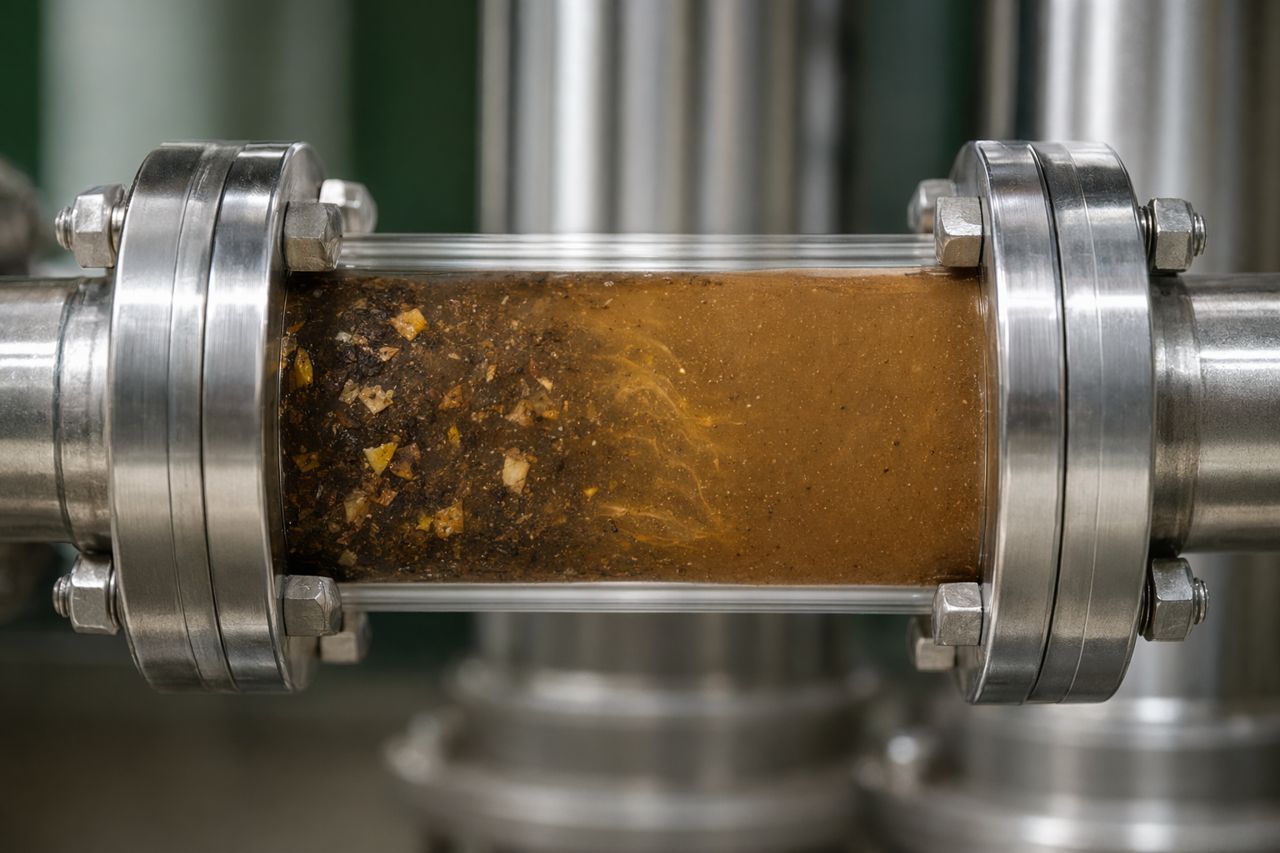
Thick extracts can slow pumps, coat transfer lines, reduce mixing efficiency, and complicate dosing into downstream blends. Enzyme selection can help reduce drag in high-organic slurries while maintaining the character of the extract.
Cleaner separation and downstream handling
Fine suspended material is part of compost extract reality. Enzymes can support better liquefaction and particle behavior, helping the process move through settling, screening, filtration, or carrier mixing with fewer surprises.
Improved batch-to-batch control
A compost extract line may receive feedstocks from different compost piles, seasons, or residue suppliers. A controlled enzyme strategy gives production managers another lever for maintaining repeatable processing behavior.
Compatibility with living biofertilizer systems
Biofertilizer production depends on organism viability. Enzyme additives must be chosen with attention to process temperature, contact time, pH environment, stabilizers, salts, preservatives, and the microbes present in the final formulation.
Enzyme classes commonly considered
Rootwake does not push a one-size enzyme package. We review the production objective first, then match additive chemistry to the material.
Common enzyme functions include:
- Cellulase support for plant fiber breakdown and extract release
- Hemicellulase support for crop residue and composted lignocellulosic fractions
- Pectinase support for botanical materials, soft plant tissues, and viscosity control
- Protease support for proteinaceous organic matter and nitrogen-bearing residues
- Phytase support where phosphorus accessibility is a formulation objective
- Blended enzyme systems for mixed compost, residue, and humic feedstocks
The goal is not maximum digestion at any cost. The goal is controlled conversion that improves manufacturing flow and final product suitability.
Built around plant-floor realities
A bulk enzyme additive must work in the environment your line actually runs.
When we review a compost extract application, we look at:
- Feedstock source, maturity, and seasonal variability
- Target extract profile and downstream formulation route
- Mixing sequence, hydration method, and contact window
- Process temperature and pH conditions
- Solids load, viscosity, and settling behavior
- Filtration, screening, or decanting steps
- Microbial strains or consortia used in the finished biofertilizer
- Preservatives, nutrients, salts, and carriers in the final blend
- Storage, handling, and operator requirements for bulk enzyme use
This keeps recommendations grounded in throughput, handling, and viable biology rather than abstract performance claims.
Bulk supply for biofertilizer manufacturers
Rootwake Bioprocess supports commercial production teams that need dependable enzyme supply for recurring batches.
Available supply considerations include:
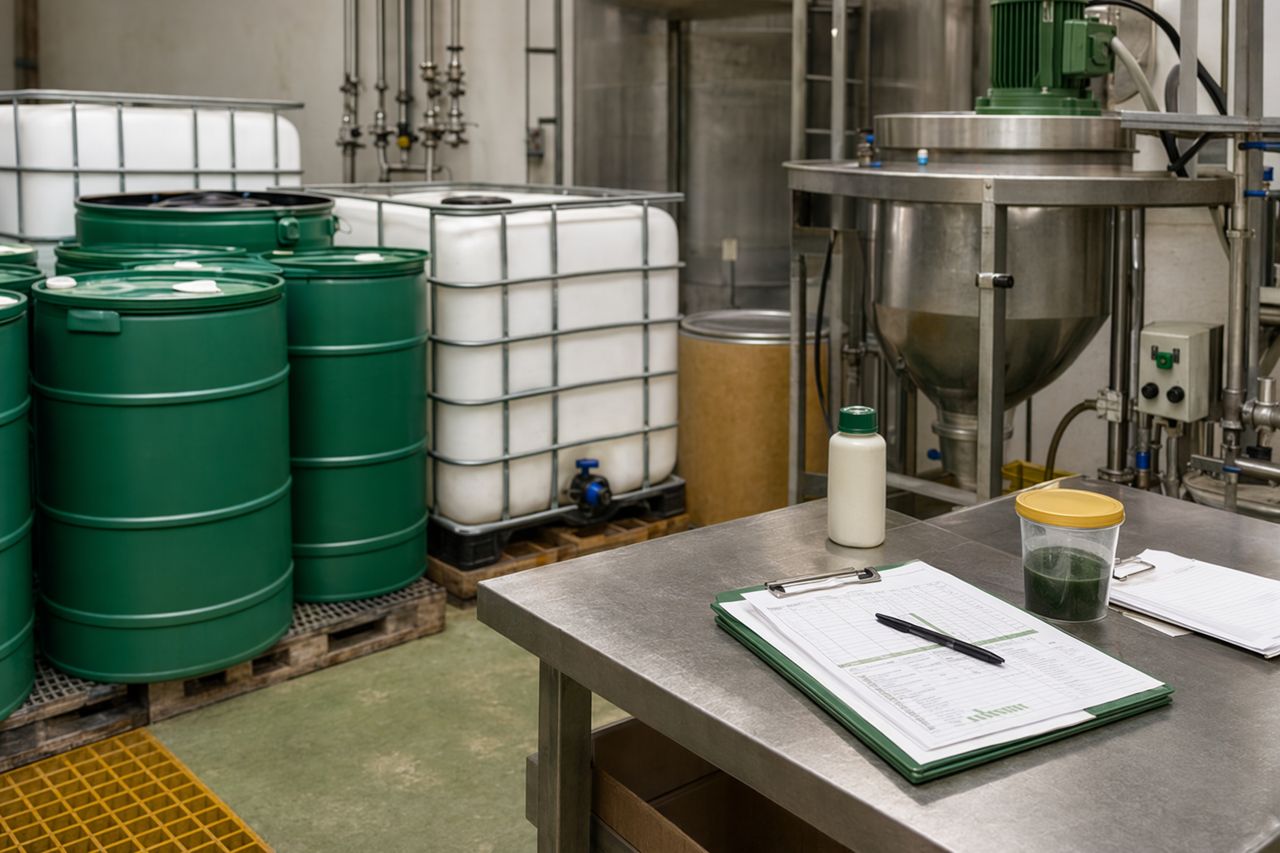
- Liquid or dry bulk enzyme formats, depending on handling needs
- Single-function or blended enzyme additive options
- Production-lot documentation for procurement and quality review
- Packaging aligned with plant usage patterns
- Support for pilot batches, scale-up, and ongoing reorder planning
- Practical guidance for incorporation into existing process steps
We work with operations, R&D, quality, and purchasing teams to reduce friction between formulation intent and manufacturing execution.
Where enzyme additives fit in the process
Most compost extract programs consider enzyme addition in one of three places:
-
Pre-extraction conditioning
Enzymes are introduced before or during hydration to begin loosening plant-derived structures and organic matter matrices. -
Extraction-stage treatment
Enzymes are used during agitation or recirculation to support soluble release, viscosity control, and more uniform slurry behavior. -
Pre-blend adjustment
Enzymes are applied before carrier addition, microbial inoculation, or final balancing when the objective is improved handling of the extract stream.
The best point of addition depends on your microbial system, separation method, and final product design.
A supplier approach for controlled living products
Biofertilizer manufacturing sits between biology and industry. The process has to respect living organisms while still meeting production schedules, packaging targets, and customer expectations.
As an enzyme supplier for biofertilizer manufacturing, Rootwake focuses on:
- Consistent bulk availability
- Fit-for-purpose additive selection
- Compatibility with organism viability objectives
- Practical support for scale-up and process adoption
- Clear communication with technical and purchasing teams
If your compost extract line is fighting variable feedstocks, high viscosity, poor separation, or inconsistent conversion, enzyme selection may be one of the most practical levers available.
Request a quote for bulk enzyme additives
Tell us what you are extracting, how your line is configured, and what you need the enzyme additive to improve. Rootwake Bioprocess will review the application and recommend a bulk supply path for your compost extract production program.
Request a quote using the on-site form below.